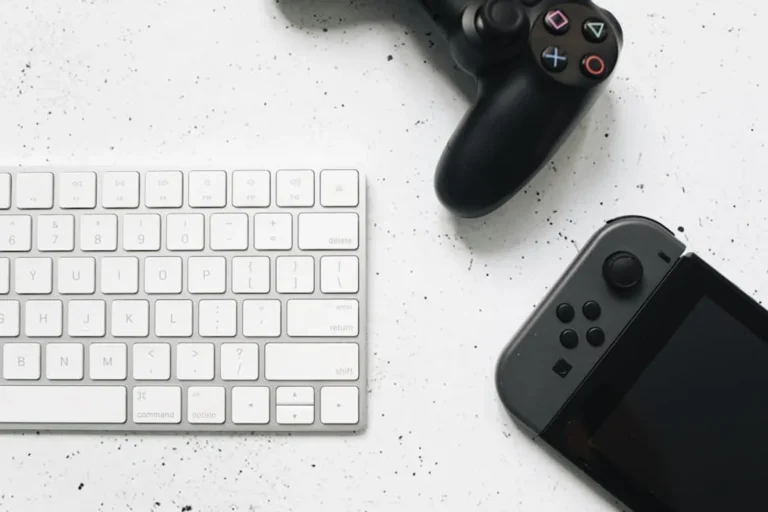

Selecting a gaming platform involves more than just picking a console or building a PC; it's an investment in an entertainment ecosystem. Your choice dictates the games you can play, the communities you can join, and the overall experience you will have for years. Before committing capital and time, a structured comparison ensures the platform aligns with your budget, preferred game genres, social habits, and technical expectations, preventing buyer's remorse and maximizing long-term enjoyment.
Key Comparison Criteria for Gaming Platforms
Hardware Specifications and Performance
Platform hardware dictates graphical fidelity, frame rates, and load times. Consoles offer standardized performance, meaning every user experiences games similarly, with developers optimizing specifically for that fixed architecture. PCs, conversely, provide a spectrum of performance based on component choices, from budget-friendly builds to high-end systems capable of pushing 4K resolution at high frame rates. Evaluate the processor (CPU), graphics card (GPU), amount of RAM, and storage type (SSD vs. HDD) to understand the visual quality and responsiveness games will deliver.
- CPU/GPU: Directly impacts game rendering, physics, and overall visual complexity. Higher specifications allow for more detailed graphics and smoother gameplay.
- RAM: Affects multitasking and how quickly game assets can be loaded and processed.
- Storage: Solid-state drives (SSDs) significantly reduce load times compared to traditional hard disk drives (HDDs), a crucial factor for modern games.
- Resolution/Frame Rate: Consider your display (TV or monitor) and target frame rate (e.g., 60fps, 120fps) when comparing platform capabilities.
Exclusive Game Libraries and Genre Focus
Exclusive titles are often the primary differentiator between platforms. Each major console manufacturer cultivates a library of first-party games unavailable elsewhere, often defining their brand identity. PlayStation focuses on cinematic, story-driven single-player experiences; Xbox emphasizes online multiplayer and expansive open worlds, often integrated into their subscription service; Nintendo prioritizes family-friendly titles, innovative gameplay, and unique intellectual properties. PC gaming offers the widest general library, including many console ports, but lacks most first-party exclusives from Sony and Nintendo. Identify your preferred genres and research which platform consistently delivers titles within those categories.
Best for:
- Story-driven single-player: PlayStation, PC
- Online multiplayer/Open world: Xbox, PC
- Family-friendly/Innovation: Nintendo Switch
- Broadest library/Indie games: PC
Subscription Services and Digital Storefronts
Modern gaming platforms rely heavily on subscription services for online play and access to game libraries. Xbox Game Pass (Core and Ultimate tiers) provides a rotating catalog of hundreds of games, including new first-party releases on day one, plus online multiplayer. PlayStation Plus (Essential, Extra, Premium tiers) offers online multiplayer, monthly free games, and a catalog of classic and modern titles. Nintendo Switch Online is required for most online multiplayer and provides access to retro game libraries. PC gaming primarily uses storefronts like Steam, Epic Games Store, and GOG, which offer vast libraries for individual purchase, often with frequent sales, and optional subscription services like PC Game Pass. Evaluate the recurring costs and the value proposition of each service against your gaming habits.
Cost of Entry and Long-Term Investment
The initial purchase price of a console or PC components represents only part of the total investment. Consider the average cost of games (new releases typically range from $60-70), additional controllers, headsets, and ongoing subscription fees. PC gaming generally has a higher initial cost for a capable system but often offers cheaper game prices through sales and a wider range of free-to-play options. Consoles have a lower upfront cost but can incur more recurring expenses through full-priced games and mandatory online subscriptions. Factor in upgrade cycles: consoles typically last 6-8 years without major upgrades, while PC components can be upgraded individually as needed, though often at a higher cumulative cost over time.
Community, Social Features, and Multiplayer
The social aspect of gaming varies significantly by platform. Each platform has its own online infrastructure, voice chat capabilities, and friend systems. Cross-play, which allows players on different platforms to play together, has become more common but is not universally supported across all games and platforms. Xbox and PC often share a more integrated social ecosystem, while PlayStation and Nintendo maintain distinct communities. If playing with specific friends is a priority, confirm their preferred platform and whether your chosen games support cross-play. Consider the size and activity level of the platform's online community for your preferred multiplayer titles.
Backward Compatibility and Ecosystem Integration
Backward compatibility allows playing older generation games on newer hardware, preserving your library and saving money on re-purchases. Xbox offers extensive backward compatibility, supporting titles across multiple generations. PlayStation offers more limited backward compatibility, primarily for the previous generation, with some older titles available via subscription. Nintendo Switch has minimal backward compatibility with prior console generations, relying instead on its online service for access to retro games. Consider how well the platform integrates with your existing devices (e.g., smart TVs, mobile phones) and other digital services you use.
Portability and Form Factor
Gaming form factors range from stationary home consoles and desktops to handheld devices. The Nintendo Switch excels in portability, allowing seamless transitions between TV and handheld modes. Dedicated gaming laptops offer PC power on the go, albeit with a higher price and shorter battery life. Handheld PC devices like the Steam Deck bridge the gap, offering PC game libraries in a portable format. Mobile phones also constitute a significant gaming platform, prioritizing accessibility and casual play. Your lifestyle and typical gaming environment should influence this consideration.
Making Your Final Decision
Your ideal gaming platform is the one that best matches your personal priorities. If budget is paramount, consider a console with a strong subscription service to minimize game purchase costs. For maximum graphical fidelity and access to the broadest game library, a PC is often the choice, provided you are comfortable with higher upfront costs and ongoing maintenance. If exclusive titles from a specific developer are non-negotiable, that will heavily influence your platform selection. Prioritize the criteria that matter most to you, then research specific models or build configurations within those parameters. Avoid making a decision based solely on a single game release; consider the platform's long-term value proposition and its ecosystem's alignment with your gaming habits.
Pro Tip: Do not base your platform choice solely on launch titles. Evaluate the platform's historical exclusive lineup and its developer partnerships to gauge future game releases and genre support. A platform with a consistent track record of delivering games you enjoy is a more reliable long-term investment than one with a single appealing launch title.
Frequently Asked Questions
Is PC gaming always more expensive than consoles?
While the initial cost of a high-performance gaming PC is typically higher than a console, the long-term cost can vary. PC games often have more frequent and deeper sales, and many free-to-play options exist. Consoles have a lower entry barrier but frequently require paid online subscriptions and games often remain at full price longer.
Can I play games with friends on different platforms?
Yes, many modern games support cross-play, allowing players on different platforms (e.g., PC, Xbox, PlayStation) to play together. However, cross-play is not universal; it depends on the specific game and developer. Always check a game's features before assuming cross-platform compatibility.
How important are exclusive games when choosing a platform?
Exclusive games are often critical as they are only available on one platform, driving many purchasing decisions. If a particular series or type of game is a must-have for you, it often dictates which platform you will need to buy to access it.
What about future-proofing my gaming platform choice?
For consoles, "future-proofing" largely means buying the latest generation, as hardware upgrades are fixed until the next console cycle. For PCs, it involves investing in higher-end components that will remain capable for longer, and choosing a modular build that allows for individual component upgrades (e.g., GPU, RAM) down the line.