
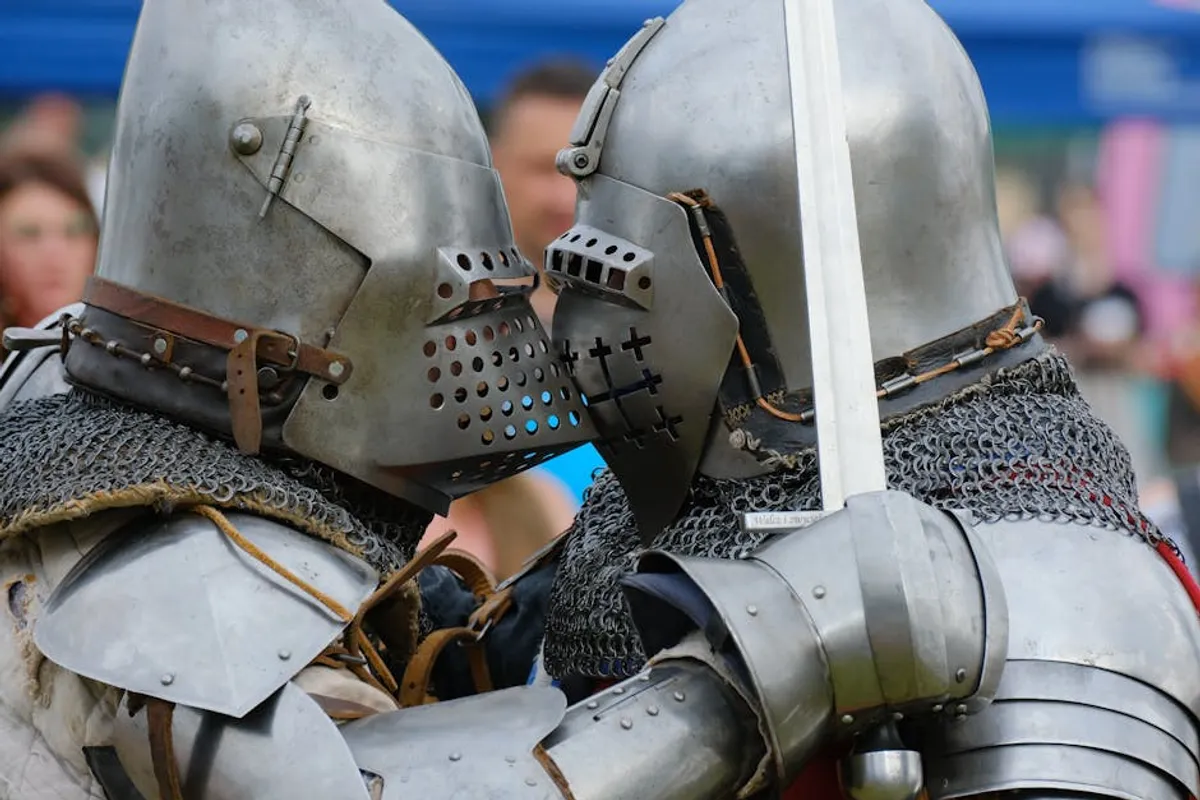
Engaging in combat within Evony requires more than just assembling the largest possible army. Effective battle strategy hinges on a precise understanding of unit interactions, general specializations, and the tactical application of information. This guide provides a framework for optimizing your combat engagements, focusing on the decisions that directly influence victory conditions and resource efficiency. Mastering these principles allows for more consistent success, whether defending against incursions or leading offensive campaigns.
Understanding Core Battle Mechanics
Every combat encounter in Evony is a calculable event, influenced by troop types, quantity, general attributes, and various buffs. The foundational understanding involves recognizing the rock-paper-scissors dynamic between basic unit categories and how these interactions determine the flow of battle. Ignoring these fundamental relationships leads to unnecessary losses and wasted resources.
Scouting and Information Gathering
Before any offensive action, scouting is non-negotiable. Sending scouts provides critical intelligence on the enemy's troop composition, general power, traps, and defensive structures. This information dictates your army's composition and attack strategy. Without accurate scouting data, every attack is a gamble with potentially severe consequences for your resources and troop count.
Key data points from scouting:
- Enemy troop types and quantities (infantry, ranged, cavalry, siege).
- General's power, specialty, and equipment.
- Presence and level of defensive structures (walls, traps).
- Subordinate city status and defensive buffs.
Terrain and Positional Advantages
While direct terrain manipulation is limited in Evony, understanding the implications of attacking versus defending from a city or a field matters. Attacking a city involves breaching walls and overcoming traps, which inflict damage before direct troop engagement. Field battles, conversely, are direct troop-on-troop engagements where unit counters and general buffs play a more pronounced role without structural defenses. Defensive buffs from a well-developed city can significantly alter battle outcomes against a numerically superior foe.
Unit Composition and Countering
Building an effective army involves more than just training high-tier units. It requires a balanced composition that leverages unit strengths and exploits enemy weaknesses. Each unit type has specific advantages and disadvantages against others.
Infantry, Ranged, Cavalry, Siege
Infantry: Strong against Ranged units, weak against Cavalry. They serve as frontline tanks, absorbing damage and protecting more vulnerable units. Their defensive stats are generally high.
Ranged: Strong against Cavalry, weak against Infantry. These units provide sustained damage from the back lines, crucial for breaking through enemy formations.
Cavalry: Strong against Infantry, weak against Ranged. Fast and high-damage dealers, ideal for flanking and eliminating key enemy units.
Siege: Primarily for attacking city walls and defensive structures. They are generally weak in direct troop combat but indispensable for city sieges. Their damage is often applied before the main troop engagement.
Pro Tip: Never rely solely on a single troop type. A balanced army, with a slight emphasis on countering the scouted enemy composition, offers the highest probability of success and minimizes losses. For instance, if scouting reveals a heavy cavalry defense, prioritize ranged units in your attack formation.
The Importance of Generals and Subordinates
Generals are the linchpin of any Evony army, providing significant buffs to troop stats, resource gathering, and defense. Their development and strategic deployment are as critical as troop training.
General Specializations
Each general possesses unique specialties, often categorized as attack, defense, or utility. An attack general boosts offensive capabilities (e.g., troop attack, march size), while a defense general enhances defensive stats (e.g., troop HP, defense). Matching the general's specialty to the battle's objective is paramount. For example, a siege general should lead a siege march, not a field battle march.
Subordinate City Buffs
Subordinate cities, when captured and developed, provide empire-wide buffs. These buffs can include increased troop attack, defense, HP, and resource production. Assigning appropriate generals to these cities, particularly those with administrative or defense specialties, further enhances these benefits, contributing indirectly but significantly to battle readiness and power.
Advanced Tactical Engagements
Beyond basic unit counters, advanced tactics involve precise targeting and understanding enemy behaviors.
Target Prioritization
In larger engagements, identifying and prioritizing key enemy targets can swing the battle. This might mean focusing on their strongest general, their primary damage-dealing troop type, or their siege units if defending a city. Coordinated attacks within an alliance often involve assigning specific targets to different march leaders.
Deception and Feints
Strategic use of smaller, less powerful marches can be used to bait enemy defenses, deplete their traps, or draw out their main army. A "fake" attack might be sent to a primary target, followed by a real, stronger attack on a different, less defended objective. This requires careful timing and coordination, especially in alliance warfare.
Resource Management for Sustained Warfare
Battles consume vast amounts of resources, not just in troop training but also in healing and general development. Efficient resource management ensures your ability to sustain prolonged conflict.
Production and Storage
Maintain consistent resource production through upgraded farms, sawmills, quarries, and mines. Protect stored resources through upgraded warehouses and by actively spending or shielding them before potential attacks. A robust economy underpins a strong military.
Healing and Reinforcement Costs
After each battle, wounded troops fill your hospital. Healing these troops requires resources and time. Expanding hospital capacity and having sufficient healing speed buffs are crucial for rapid recovery. Reinforcing allies also costs resources and troop capacity, necessitating careful consideration of your own needs.
Preparing for Alliance Wars
Alliance warfare introduces a layer of complexity, requiring coordination and specialized roles.
Coordinated Attacks
Successful alliance wars rely on simultaneous, coordinated attacks on multiple targets. Designating rally leaders, target assignments, and specific attack timings are critical. Communication channels (e.g., in-game chat, external voice comms) are essential for real-time adjustments.
Defense Protocols
Establishing clear defense protocols within an alliance, such as reinforcing vulnerable members, setting up defensive rallies, and coordinating counter-attacks, minimizes losses and presents a united front. Knowing when to shield, when to defend, and when to retreat saves countless troops and resources.
Optimizing Your Combat Effectiveness
Consistent success in Evony battles stems from a continuous cycle of preparation, execution, and analysis. Invest in scouting, understand unit dynamics, and develop your generals strategically. Integrate resource management into your battle planning to ensure sustainability. Finally, leverage alliance cooperation for larger-scale engagements, turning individual strengths into collective power. Regular review of battle reports helps identify weaknesses in your strategy and allows for iterative improvement. Leveraging alliance cooperation can amplify your strengths, turning individual efforts into a formidable collective power.
Frequently Asked Questions
What is the most important unit type in Evony?
There isn't a single "most important" unit type; effective strategy relies on a balanced composition and using the right units to counter specific enemy formations. Each unit type (infantry, ranged, cavalry, siege) serves a critical, distinct role.
How much power should my general have?
General power is a reflection of their level, equipment, and specialty. While higher power is generally better, focusing on a general's specific attributes (e.g., attack, defense, siege) and matching them to your battle objective is more crucial than raw power alone.
Should I always send my maximum march size into battle?
Not always. While a larger march offers more power, sometimes a smaller, precisely tailored march that perfectly counters the enemy's composition can achieve victory with fewer losses. Over-committing troops can also leave your city vulnerable.
What is the best way to defend my city?
Effective city defense involves a combination of upgraded walls and traps, a strong defensive general, a balanced defensive troop composition, and potentially receiving reinforcements from allies. Activating a peace shield is also a viable defensive measure against immediate threats.