Esports has transitioned from a niche hobby into a global competitive industry, generating billions in revenue and attracting hundreds of millions of viewers. For newcomers, navigating the landscape of professional teams, complex tournament structures, and diverse game titles can be daunting. Understanding the foundational elements—how teams operate, the mechanics of major competitions, and the financial incentives—is crucial for anyone looking to engage with, invest in, or simply follow the rapidly expanding world of competitive gaming.
Deconstructing Esports Teams
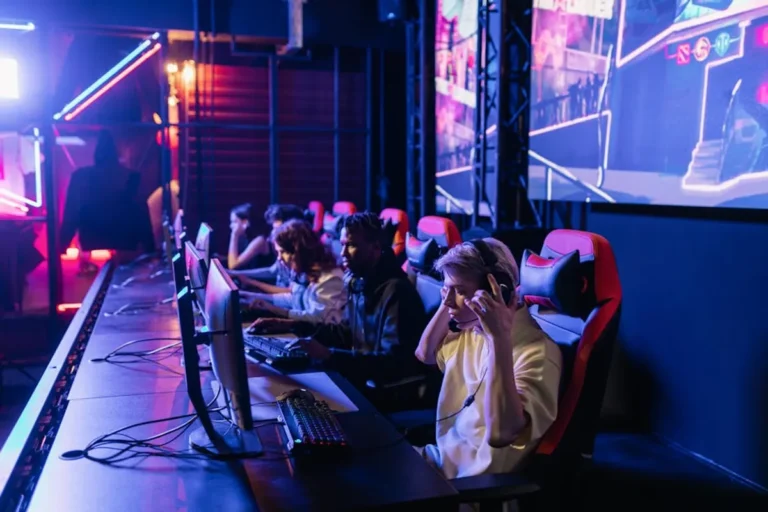
Esports teams are professional organizations built around competitive video gaming. Unlike traditional sports teams, their composition and operational models often vary significantly depending on the game title and regional ecosystem. At their core, a team consists of players, but a full professional setup extends to coaches, analysts, managers, and support staff.
Team Structures and Operations
Professional esports teams typically operate under two main models: franchised leagues or independent organizations. Franchised leagues, seen in titles like League of Legends (LoL) and Overwatch, involve teams paying a substantial fee to secure a permanent spot. This model provides stability through revenue sharing and long-term partnerships but limits new team entry. Independent organizations, conversely, must qualify for tournaments through open circuits or regional qualifiers, offering more fluid entry but less financial security.
Key personnel within an esports team include:
- Players: The primary competitors, often specializing in specific roles or champions within their game.
- Coaches: Responsible for strategy, player development, and team coordination. They analyze opponent play, design practice routines, and manage team dynamics.
- Analysts: Provide data-driven insights into gameplay, opponent strategies, and player performance. Their work informs coaching decisions and in-game adjustments.
- Managers: Oversee logistics, player welfare, scheduling, and administrative tasks, ensuring the team runs smoothly outside of competitive play.
- Content Creators/Streamers: Often part of the organization to build brand presence, engage fans, and generate additional revenue through streaming platforms.
Teams generate revenue through multi-year sponsorships with endemic (e.g., gaming hardware) and non-endemic (e.g., automotive, beverage) brands, merchandise sales, media rights, and a share of tournament prize pools. Player salaries, typically the largest expense, vary widely based on game title, player skill, and team success, ranging from modest stipends to multi-million dollar contracts for top-tier talent.
Pro Tip: Esports team rosters are highly dynamic. Players frequently transfer between organizations, get benched, or retire, especially after major tournaments or during transfer windows. Following specific players rather than just team brands can provide more consistent engagement, as player careers often span multiple teams and game titles.
Navigating Esports Tournaments
Esports tournaments are the competitive arenas where teams test their skills, earn prize money, and build their reputations. These events range from small, local competitions to massive international spectacles with millions of dollars on the line.
Tournament Types and Formats
Tournaments are generally categorized by their scale and structure:
- Leagues: Structured seasons where teams play multiple matches over weeks or months, culminating in playoffs (e.g., LoL LCS, LEC). These provide consistent content and build long-term narratives.
- Majors/Championships: High-stakes, often international events that conclude a season or circuit (e.g., LoL World Championship, Dota 2 The International, CS:GO Majors). These typically feature the largest prize pools and highest viewership.
- Invitationals: Events where teams are directly invited based on reputation, past performance, or regional representation, bypassing open qualifiers.
- Open Qualifiers: Entry-level competitions allowing amateur and semi-professional teams to compete for a spot in larger tournaments or leagues.
Common tournament formats dictate how teams advance and are eliminated:
- Single-Elimination: A loss means immediate elimination from the tournament. This format is fast-paced and high-pressure but offers no second chances.
- Double-Elimination: Teams must lose twice to be eliminated. This provides a "loser's bracket" path to the grand finals, allowing for comebacks and more matches.
- Round-Robin: Every team plays every other team in a group or league. This ensures a comprehensive ranking but can be lengthy.
- Group Stage followed by Playoff Bracket: A common hybrid where teams first compete in smaller groups (often round-robin) to determine seeding for a subsequent single or double-elimination playoff bracket.
Prize Pools and Broadcasts
Prize pools are a significant draw for both teams and viewers. While some are fixed by tournament organizers, others, like Dota 2's The International, are crowdfunded through in-game purchases, allowing them to reach upwards of $40 million. These funds are distributed among top-placing teams, with the largest share going to the champions. The scale of prize money directly impacts the professionalization and competitive intensity of a game's scene.
Esports tournaments are broadcast globally across platforms like Twitch, YouTube, and dedicated esports channels. Production values often rival traditional sports, featuring professional commentators (casters), analysts, replay systems, and elaborate stage designs. This accessibility is a key driver of fan engagement, allowing millions to watch live or on-demand.
Deepening Your Esports Engagement
To fully appreciate the esports ecosystem, begin by identifying games that resonate with your interests. Popular titles like League of Legends (MOBA), Counter-Strike: Global Offensive / Counter-Strike 2 (FPS), Dota 2 (MOBA), Valorant (FPS), and Overwatch 2 (FPS/Hero Shooter) each offer distinct competitive experiences and established professional circuits. Understanding the basic mechanics and objectives of a chosen game will significantly enhance your viewing experience.
Follow specific teams or players whose playstyles or personalities appeal to you. Many professional players stream their practice sessions or casual gameplay, offering insight into their strategies and daily lives. Engaging with esports communities on platforms like Reddit, Discord, or Twitter can also provide context, news, and discussion around ongoing tournaments and team developments. The dynamic nature of esports means there's always a new meta to learn, a rising star to watch, or a major championship on the horizon.
Frequently Asked Questions
What is the difference between a professional player and a streamer?
A professional player primarily competes in organized tournaments and leagues for prize money and salary, often under contract with an esports organization. A streamer's main focus is live broadcasting gameplay or other content to an audience, generating revenue through subscriptions, donations, and advertisements. Many pro players also stream, but their core role remains competitive.
How do players become professional in esports?
The path to professional esports typically involves extensive practice, reaching high ranks in a game's competitive ladder, gaining visibility through online tournaments or streaming, and eventually being scouted by an organization or forming a successful amateur team that qualifies for professional circuits.
Which are the biggest esports tournaments globally?
Some of the largest and most prestigious tournaments include the League of Legends World Championship, Dota 2's The International, Counter-Strike: Global Offensive/CS2 Majors, and the Overwatch League Grand Finals. These events consistently feature the highest prize pools and viewership figures.
Are esports considered a legitimate sport?
While the debate continues, many argue that esports possess the core elements of traditional sports: intense competition, strategic depth, physical dexterity (fine motor skills, reaction time), dedicated training regimens, and a global fanbase. Major sports organizations and even some governments now recognize esports as a legitimate competitive activity.